How to Reduce Screen Time Without Quitting Social Media
People use social media widely to connect with friends, discover trends, learn new skills, and grow businesses. Spending too much on scrolling endless feeds can reduce productivity, affect mental health, disturb sleep, and make it tough to focus on core tasks.
If you feel disturbed by social media and want to focus on your important tasks, then you don't need to delete the apps completely. You can still focus by reducing screen habits and building some good digital habits. Read more to learn the habits to reduce screen time without quitting social media.
The Hidden Cost of Mindless Scrolling
Don't scroll social media unnecessarily; otherwise, it becomes a habit. Studies also show that the average adult spends over 3 hours daily on social media, often in short bursts. It causes anxiety, stress, and fatigue. Here are the steps you can take to control scrolling:
- Track your screen time for one week. Record which apps you use, when, and why.
- Note your mood before and after sessions to find stress factors.
- Look at any patterns related to anxiety.
Once you control scrolling, you can easily move your focus from social media and achieve digital balance.
Breathe and Pause Before Opening Social Media

Train yourself by slowly breathing and pause before opening any social media app. It gives you a moment to decide well. So don’t unlock your phone, just breathe and decide. It keeps you focused and reduces scrolling. The good habits you can follow are:
- Count up to 5 before open apps
- Ask yourself, “Did I get bored, or have another goal to open it now?”
- Consider reading an inspiring quote or journaling before unlocking.
It helps you to control time spent on social media and act intentionally instead of automatically.
Set a Goal Behind Every Session
Set your goals on every social media session. Don’t use it without any reason. Understand do you want to respond to messages, check the news, or share updates? Set the goal and time limit for every session and don’t go beyond the time limit.
- Set the goal before use any app
- Set 10 to 15 minutes timer for every session
- Keep group notifications on to check messages
- Close app once your goal is complete
Set Notifications as Opportunities
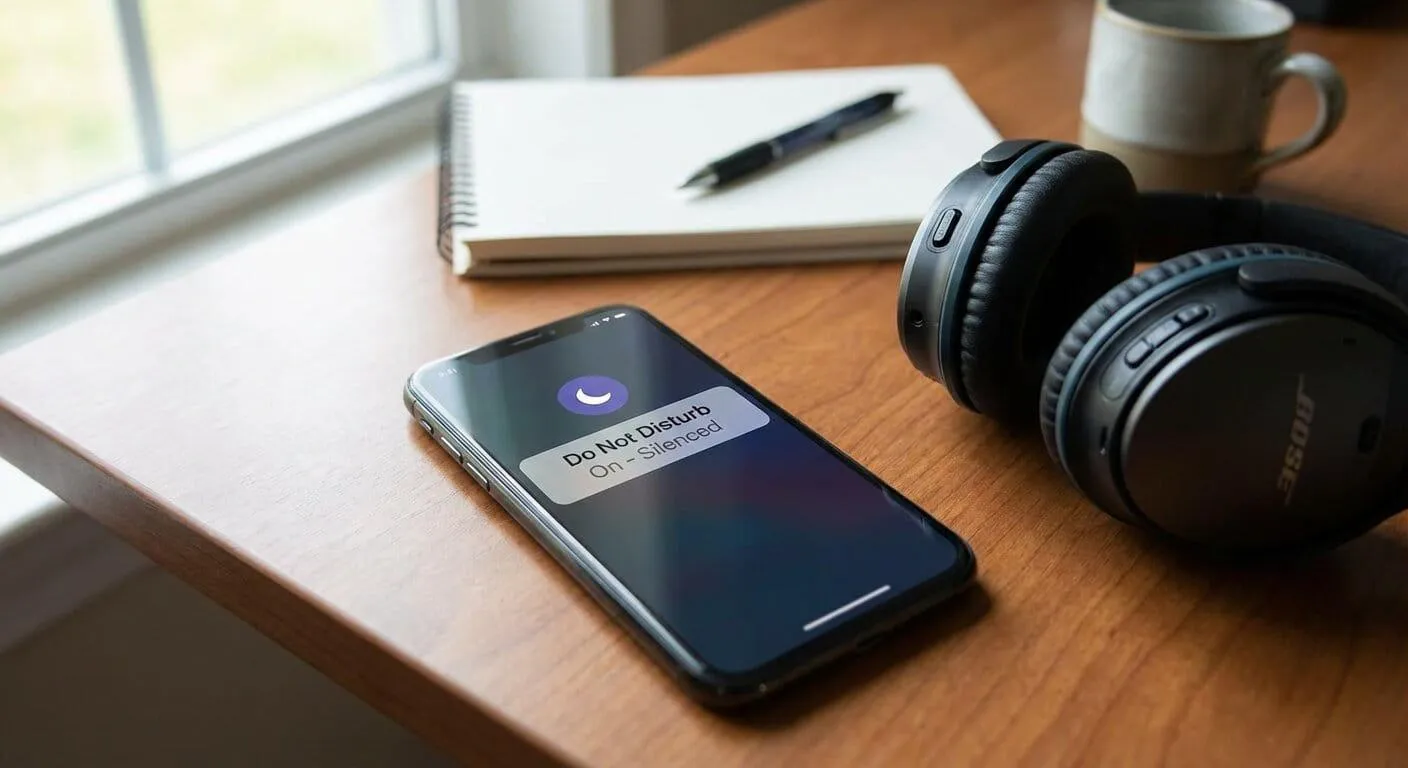
Set the notifications to avail opportunities. It avoids distractions, but keeps you attentive. You can't stop notifications completely, but you can decide how to respond. Here are the steps to take:
- Use DND mode during work.
- Keep notifications on for family messages and urgent matters
- Set the specific times to check social media rather than using it frequently
By setting notifications timely, you can stay focused on your work, reduce stress, and control over attention.
Cut Down Digital Morning Ritual
Don’t start your morning by using social media, otherwise it leaves you in endless scrolling experience and disturbs the whole day. Structure your day routine, and adopt some good morning habits, as follows as:
- Journal one reflection, goal, or insight for the day.
- Practice mindful breathing daily for 2 to 5 minutes
- Complete your top 3 priorities before use any social media daily
- Avoid checking feeds just after wake up
By following these consistent morning rituals, you can improve your mental clarity. It helps you to tackle digital tasks and avoid stressful scrolling.
Opt Micro-Reflections to Replace Mindless Scrolling
Idle moments lead to scrolling marathons. You should work on reflections to strengthen your concentration, clarity, and strength. It is more than an hour of mindless scrolling. Keep following the good practices as follows as:
- Take one idle moment every day to reflect. Ask, “Am I using this time on what matters?”
- Keep a small note app or notebook for quick insights or gratitude entries.
- Observe your thoughts without judgment, even for just 1 minute.
- Set reminders to pause for reflection rather than using social media automatically.
Avoid Extreme Digital Adoption

Don’t use any social media apps at an extreme level. Declutter feeds or apps that drain your attention. It is suggested to mute the distracting notifications, organize apps by purpose and support intentional action. Reducing social media usage is what deserves your attention. Here are the steps you can take to achieve digital minimalism:
- Don’t follow time taking feeds
- Remove distracting items
- Group crucial apps and limit its usage
- Use short sessions instead of long timed browsing
In this way, you can adopt digital minimalism and reduce social media use. It keeps you connected with new things digitally and maintains clarity and focus.
Conclusion
The above screen time reducing tips helps you to keep focused on work without quitting social media. It helps you to reduce daily limits. Make sure to schedule the app usage properly with goals, turn off notification, and engage in offline activities. It not only reduces screen time but also maintains balance between your well being and life. If you want to remove reels and shorts from Instagram, Youtube and Facebook to reduce screen time, then you can use a practical app, SocialRouter.
FAQs
Can I improve mental health by reducing screen time?
Yes, you can improve your mental health by reducing stress, anxiety, and constant comparison. It opens more opportunities for meaningful activities and allows you to lead a healthier life.
How to reduce social media usage?
Turn off notifications, check social media apps only during specific times, and set daily app limits. Don't open apps repeatedly, even if you feel bored.
What can I do to avoid checking my phone repeatedly?
Turn off social media app notifications, keep phones away while working and avoid checking phones again and again. It replaces idle movement and keeps you concentrated properly.
How long do I practice to adopt healthier screen habits?
Practice the good screen habits for a week consistently. It reduces your social media usage and boosts focus.